![LIVEWELL SDA PROVIDER [Recovered]-04](https://livewellaustralia.com.au/wp-content/uploads/2024/03/4.June-LOGO-LIVEWELL-SDA-PROVIDER-Recovered-04-scaled.png)
: A Quick Well Guide for Older Australians and People with Disabilities
Extreme heat days, like today’s 45°C conditions in Melbourne, can pose serious health risks — particularly for older Australians, people living with disability, and those receiving care at home. Preparing early and taking simple precautions can significantly reduce the risk of heat-related illness.
Why Extreme Heat Is a Serious Risk
High temperatures can lead to dehydration, heat exhaustion, and heat stress. People with limited mobility, chronic health conditions, or reduced ability to regulate body temperature are especially vulnerable during heatwaves.
Practical Heat Safety Tips for Home
To stay safe during extreme heat:
-
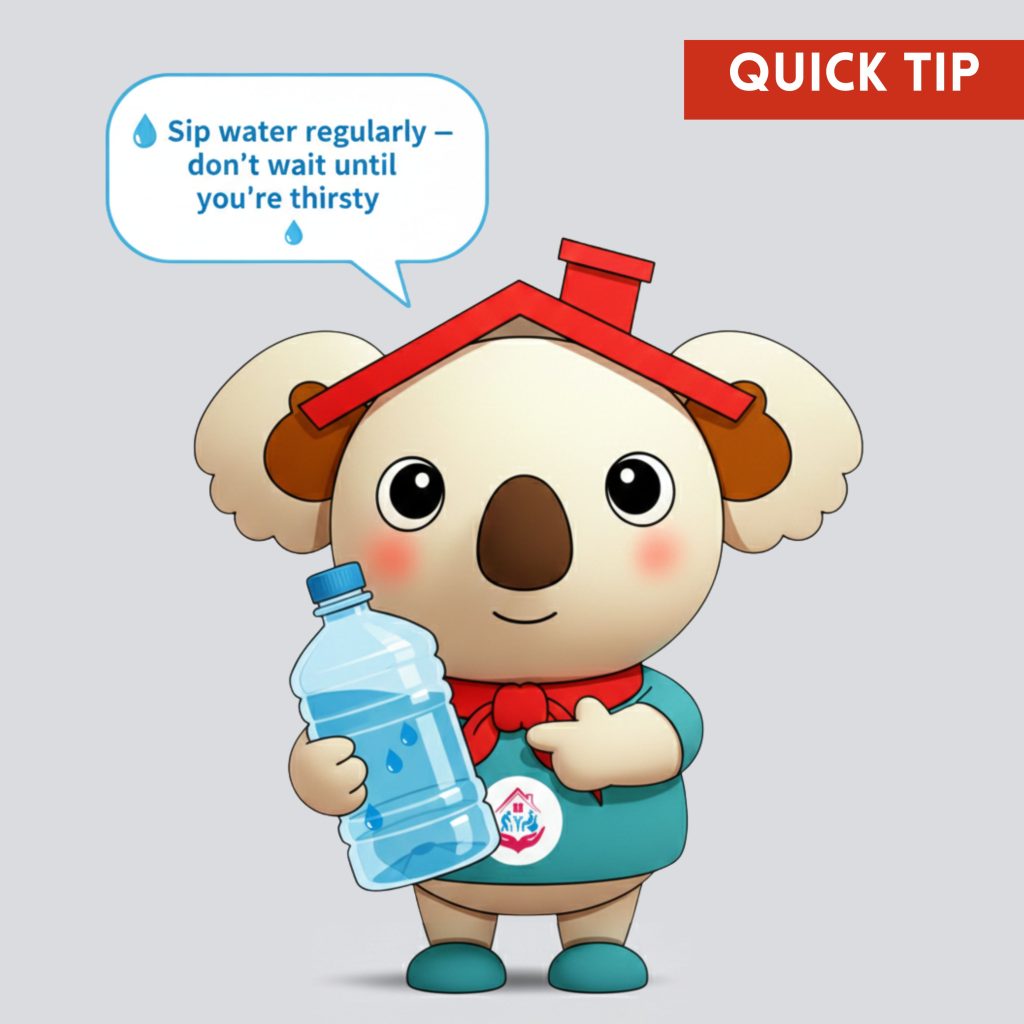
Hydrate regularly — drink water throughout the day, even if you don’t feel thirsty
-
Stay indoors during peak heat hours (11am–5pm)
-
Keep your home cool by closing curtains, using fans or air-conditioning
-
Cool the body gently with a damp cloth on the neck, wrists, or feet
-
Avoid strenuous activities until temperatures drop
Check In on Those Who May Need Support
One of the most important actions during a heatwave is connection. A simple phone call or visit can ensure that older family members, neighbours, or NDIS participants are safe, comfortable, and supported.
If symptoms such as dizziness, confusion, nausea, or weakness occur, seek medical assistance immediately.
LiveWell’s Commitment to Safety and Wellbeing
At LiveWell, safety, dignity, and wellbeing are at the heart of everything we do. Our local teams support individuals and families to remain safe at home — especially during challenging conditions like extreme heat — through proactive care, clear communication, and community connection.
Staying informed, prepared, and connected helps ensure no one faces extreme weather alone.